
Improving Your Riding Through Biomechanics
Riding is more than just sitting on a horse and guiding it forward. It is a complex interaction between rider and horse, where balance, posture, and movement all play crucial roles. Understanding how your body works in harmony with your horse can significantly improve your riding experience. This is where biomechanics and integrating techniques come into play. By applying these principles, you can enhance your control, reduce fatigue, and create a more enjoyable ride for both you and your horse.
Exploring Integrating Techniques for Better Control
Riding in harmony is the ultimate goal but also the most difficult to achieve. Integrating various biomechanical techniques that focus on creating a seamless connection between rider and horse is a game changer and your path towards harmony. Connection is built on subtle cues, balanced posture, and fluid movements. When you master these techniques, your horse responds more willingly and accurately to your commands.
Some practical riding harmony techniques include:
Maintaining a balanced seat: Keep your weight evenly distributed over the saddle. Avoid leaning too far forward or backward.
Using your core muscles: Engage your abdominal and back muscles to stabilize your upper body.
Softening your hands: Hold the reins gently to avoid pulling harshly on the horse’s mouth.
Breathing with your horse: Synchronize your breathing rhythm with your horse’s gait to promote relaxation.
Practicing quiet cues: Use minimal leg pressure and subtle shifts in weight to communicate.
By incorporating these techniques, you create a partnership where the horse feels guided rather than controlled. This leads to smoother transitions, better responsiveness, and a more enjoyable ride.

What is the biomechanics of riding?
Biomechanics is the study of how the body moves and functions mechanically. In riding, biomechanics examines how the rider’s body interacts with the horse’s movements. Understanding this helps riders optimize their posture, balance, and muscle use to improve performance and reduce injury risk.
Key aspects of riding biomechanics include:
Joint alignment: Proper alignment of hips, knees, and ankles helps absorb the horse’s motion efficiently.
Muscle engagement: Using the right muscles at the right time supports stability and control.
Movement synchronization: Matching your body’s movements with the horse’s gait reduces resistance and enhances harmony.
Weight distribution: Evenly spreading your weight prevents discomfort for the horse and improves balance.
For example, when trotting, your pelvis should absorb force and the spine should rotate softly from side to side to remain flexible. This reduces jarring impacts and helps maintain a calm, steady seat.
Understanding these principles allows riders to make conscious adjustments that improve their riding technique. It also helps identify areas where tension or imbalance may be causing problems.

Practical Tips to Improve Your Riding Using Biomechanics
Improving your riding through biomechanics involves both awareness and practice. Here are some actionable tips to help you get started:
Assess your posture regularly
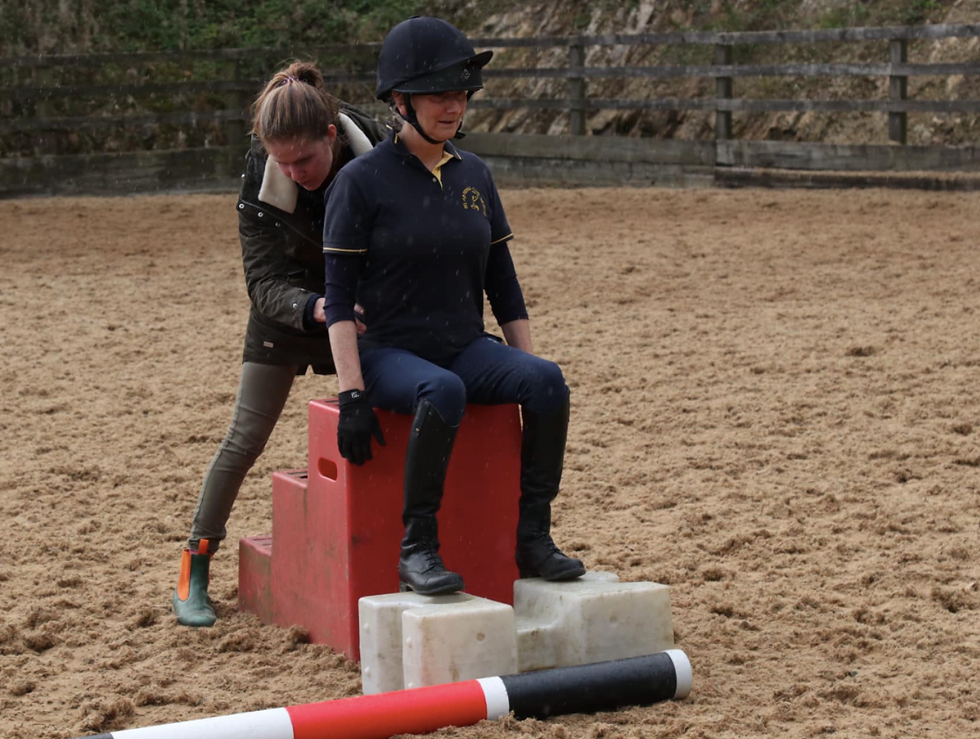
Use a mirror or video recording to check your riding position or book in for regular rider biomechanics sessions. You must assess not only your posture from the side but also from the front/back. It is also important to perform regular self assessments as to how you feel in the saddle, what you are aware of or not.
Strengthen your core muscles
Exercises such as diaphragm breathing, activation exercises and coordination exercises all help to improve "core stability", which is essential for maintaining balance on the horse.
Practice pelvic tilts and hip mobility
These movements increase flexibility and help your pelvis move naturally with the horse’s gait.
Focus on nasal breathing
Nasal breathing increases oxygen flow and directly impacts your heart rate helping to reduce tension and help you stay calm during riding.
Use appropriate tack and equipment
Ensure your saddle fits both you and your horse well to support correct posture and weight distribution.
By integrating these tips into your routine, you will notice improvements in your riding comfort and effectiveness.
How Rider Biomechanics Enhances Horse Performance
The relationship between rider and horse is a two-way street. When a rider applies correct biomechanics, it positively affects the horse’s movement and comfort. Horses are sensitive to shifts in weight and tension, so a balanced rider helps the horse move more freely.
Benefits of good rider biomechanics for the horse include:
Reduced strain on the horse’s back
Balanced weight distribution prevents pressure points and soreness.
Improved gait quality
Fluid rider movements encourage the horse to maintain rhythm and relaxation and achieve swing.
Enhanced communication
Clear, subtle cues reduce confusion and stress for the horse.
Increased endurance
A comfortable horse can perform longer without fatigue.
For riders looking to deepen their partnership with their horse, focusing on biomechanics is essential. It creates a foundation of trust and mutual respect that elevates every ride.
Incorporating Rider Biomechanics into Your Training Routine
To make the most of rider biomechanics, it’s important to incorporate it into your regular training. Here’s a simple plan to help you get started:
Warm-up with off-horse exercises
Spend 5-10 minutes on activation and awareness exercises before riding.
Focus on posture during riding
Check your alignment frequently and make small adjustments as needed.
Practice riding at different gaits
Pay attention to how your body moves with the horse at walk, trot, and canter.
Use feedback tools
Video your rides or use a mirror in the arena to observe your position.
Schedule regular lessons
Work with an instructor who understands biomechanics and can guide your progress.
By making biomechanics a consistent part of your training, you will develop habits that improve your riding naturally over time.
Improving your riding through biomechanics and riding harmony techniques is a journey that benefits both you and your horse. By understanding how your body works in tandem with your horse’s movements, you can ride with greater ease, control, and enjoyment. For more detailed insights on rider biomechanics, consider exploring expert resources and professional guidance. Embrace these principles and watch your riding transform into a true partnership of harmony and balance.


Comments